What is a Virtual Assistant

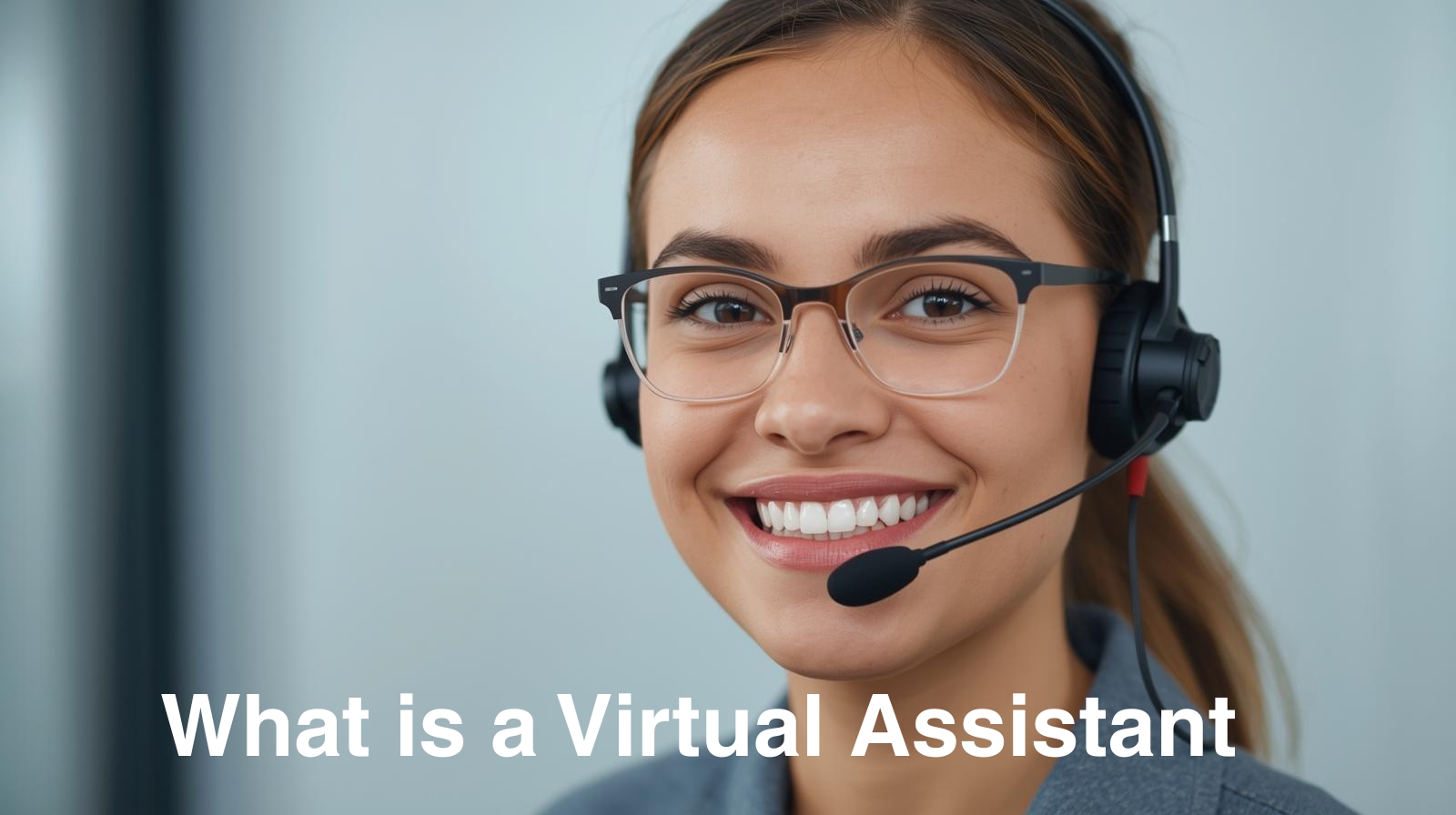
In today’s fast-paced digital economy, businesses are constantly searching for smarter ways to manage time, scale operations, and stay competitive. One solution that continues to grow across industries is the virtual assistant. From startups to established enterprises, many teams are turning to remote support professionals to handle essential tasks and free up valuable internal resources. But what is a virtual assistant, and why has this role become so important in productivity-driven industries like insurance, real estate, marketing, tech, and healthcare?
This guide explains what a virtual assistant is, what they do, and how businesses can leverage virtual assistant services to improve efficiency and focus on growth.
A virtual assistant is a skilled remote professional who provides administrative, technical, or specialized support to businesses and entrepreneurs from a remote location. Virtual assistants, often referred to as VAs, work online and use digital tools to complete tasks without being physically present in an office.
Unlike traditional in-house staff, a virtual assistant operates remotely while still integrating into daily workflows. They may work part-time or full-time, depending on business needs, and can support one client or multiple clients at a time.
The primary goal of a virtual assistant is to handle time-consuming tasks so business owners, managers, and teams can focus on higher-level responsibilities such as strategy, sales, and client relationships.
The responsibilities of a virtual assistant vary depending on the industry and role. Many VAs specialize in specific areas, while others offer general support.
Common virtual assistant tasks include:
In industries like insurance and real estate, a virtual assistant may also handle policy processing, quote preparation, listing coordination, and follow-ups. In marketing and tech, VAs often assist with campaign coordination, analytics tracking, and platform management.
Virtual assistant services have evolved to become more specialized. Today, businesses can hire VAs with industry-specific expertise.
Administrative virtual assistants
These VAs handle core office tasks such as inbox management, appointment setting, file organization, and internal coordination.
Insurance virtual assistants
Insurance VAs support agents and agencies with policy administration, endorsements, renewals, CRM updates, and client communication while following compliance guidelines.
Real estate virtual assistants
Real estate VAs assist with listing management, transaction coordination, MLS updates, lead follow-ups, and marketing materials.
Marketing virtual assistants
These professionals support social media scheduling, email marketing, content uploads, analytics reporting, and campaign coordination.
Technical and IT virtual assistants
Some virtual assistants focus on website updates, CMS management, basic troubleshooting, and software support.
Hiring a virtual assistant offers more than just task delegation. Businesses benefit from improved structure, consistency, and operational clarity.
A virtual assistant helps reduce workload pressure by managing recurring tasks that consume time daily. This leads to better focus on decision-making and business growth.
Virtual assistants also provide flexibility. Companies can scale support hours up or down depending on demand, seasonal workload, or project scope. This makes virtual assistant services suitable for both small businesses and growing teams.
Another key benefit is access to global talent. Businesses can work with experienced professionals who already have the skills and tools required to contribute immediately.
While both virtual assistants and in-house employees provide support, their working models are different.
Virtual assistants work remotely, communicate through digital platforms, and integrate into systems without requiring physical office space. They are often hired for defined roles, outcomes, and schedules.
In-house employees typically require onboarding, office resources, and full-time commitments. For many businesses, especially service-based industries, virtual assistants offer a practical alternative for managing operational tasks without adding internal complexity.
Productivity is one of the main reasons businesses hire a virtual assistant. When routine tasks are handled consistently, teams can operate more efficiently.
Virtual assistants help by:
This structure allows business owners and managers to spend more time on revenue-generating activities and less time on administrative work.
Choosing the right virtual assistant starts with identifying your business needs. Clearly define the tasks, tools, and outcomes you expect.
Look for virtual assistants with experience in your industry, strong communication skills, and familiarity with relevant software. A structured onboarding process and clear documentation also help ensure long-term success.
Partnering with a virtual assistant agency can simplify this process by matching you with trained professionals who align with your business goals.
What is a virtual assistant best used for?
A virtual assistant is best used for administrative, operational, and specialized tasks that can be completed remotely, allowing business owners to focus on strategy and growth.
Are virtual assistants only for small businesses?
No. Virtual assistants support businesses of all sizes, from solo entrepreneurs to large agencies and enterprises.
Can a virtual assistant work full-time?
Yes. Virtual assistants can work part-time or full-time depending on business requirements and workload.
Do virtual assistants need training?
Most professional virtual assistants already have experience in their niche. However, onboarding and process documentation help align them with your systems and expectations.
Is communication difficult with a virtual assistant?
With modern tools like email, Slack, Zoom, and project management platforms, communication with a virtual assistant is efficient and structured.
Understanding what a virtual assistant is helps businesses recognize the value of remote support in a digital-first world. A virtual assistant is more than just extra help—they are a strategic partner who supports productivity, organization, and scalability.
If you’re ready to streamline operations and focus on growth, Ocean Virtual Assistant Solutions offers reliable part-time and full-time virtual assistant support tailored to your industry. Book a free discovery call today and discover how the right virtual assistant can transform the way you work.
September 26, 2023
Read Full Blog

June 9, 2025
Read Full Blog
June 25, 2025
Read Full Blog
Find the time that works best for you & book a FREE discovery call today.


As the owner of Lewis Insurance Group, working with Ocean Virtual's VAs has been a game-changer for my agency. From day one, their initiative and adaptability have seamlessly integrated them into our operations, making tasks like billing, account auditing, and lead management more efficient.

My virtual assistant has seamlessly managed tasks like organizing my inbox, scheduling meetings, and handling property listings, making my workflow smoother and more efficient. I highly recommend Ocean Virtual for their exceptional support and their ability to become an integral part of my team, enhancing my productivity and success.
Not a fan of meetings and video calls?